


The Hidden Timber Damage Sydney House Painters Find During Exterior Painting Projects
When it comes to maintaining a beautiful home in New South Wales, keeping the exterior looking fresh is often top of mind. Many homeowners notice their paint starting to flake or fade and immediately assume it is time for a quick cosmetic touch-up. However, beneath that peeling paint often lies a much more sinister problem. When professional house painters Sydney begin preparing a house for a new coat of paint, they frequently uncover hidden timber damage that has been quietly compromising the structural integrity of the home.
Whether you live in a classic heritage terrace in the Inner West or a breezy weatherboard family home on the Northern Beaches, timber is a foundational element of Sydney architecture. But it is also susceptible to the elements. Finding the right exterior painters isn’t just about getting a crisp, clean finish; it’s about having experienced professionals who can identify, diagnose, and resolve underlying timber issues before a single drop of paint is applied.
The Sydney Climate: A Perfect Storm for Timber
To understand why hidden timber damage is so prevalent, we have to look at the environment we live in. Sydney boasts a beautiful climate, but it is notoriously harsh on building materials. We experience baking hot summers with intense UV radiation, followed by torrential downpours, high humidity, and, for many coastal suburbs, a constant barrage of salt-laden air.
When reliable painters arrive on-site, they know exactly what this extreme weather combination does to timber over time. The fierce sun dries out the wood, causing it to shrink, crack, and split. These micro-cracks compromise the protective paint membrane, creating the perfect entry point for moisture. Once the seasonal rains hit, water seeps into these crevices. Because the moisture cannot easily escape, it sits inside the timber, creating a breeding ground for fungal decay and wood rot. What looks like a minor paint blister on the surface is often a sign that the timber underneath is essentially turning to mush.
The Most Common Types of Hidden Timber Damage
When house painters start scraping back old, flaking paint during the preparation phase, they typically encounter a few common culprits. Understanding these issues can help you realise why thorough preparation is the most critical part of any exterior painting project.
1. Wet Rot and Dry Rot
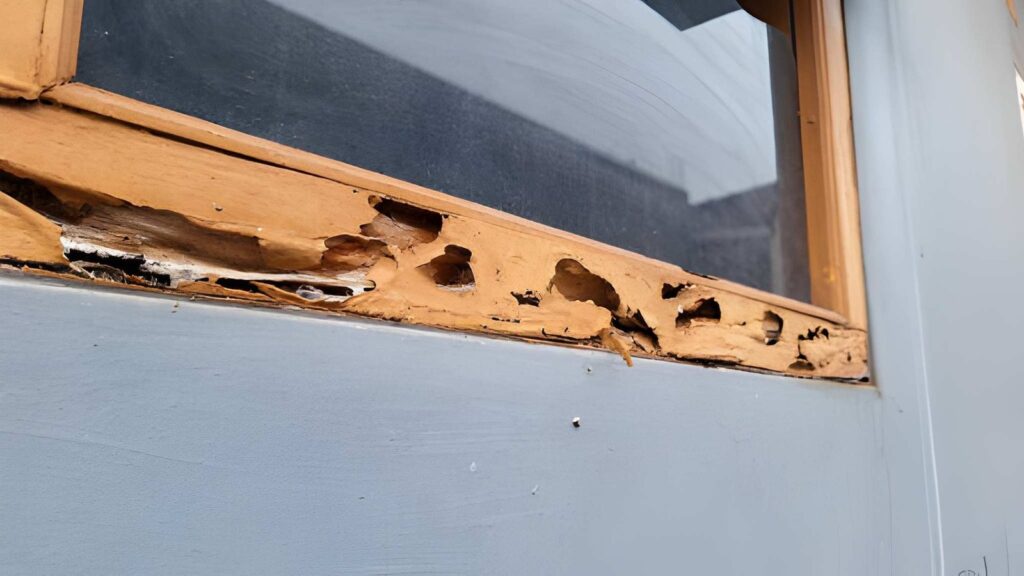
Despite its name, dry rot is caused by moisture. It is a type of fungus that rapidly digests the parts of the timber that give it strength and stiffness. Wet rot is even more common in Sydney, particularly in shaded, damp areas of the home such as the southern-facing walls, under eaves, or around timber window frames. Professional house painters in Sydney often find that window sills and fascia boards have been completely hollowed out by rot, leaving nothing but a thin, brittle shell of paint holding the shape together.
2. Termite Damage (White Ants)
Australia is infamous for its pests, and termites are a major threat to Sydney properties. Termites are notoriously secretive; they eat timber from the inside out, often leaving the outermost layer of wood and paint completely intact. It is incredibly common for exterior painters to lean a ladder against a seemingly solid weatherboard, bargeboard, or timber post, only to hear a hollow crunch. Termite damage can devastate the structural safety of a home, and discovering it early during a painting project can actually save homeowners thousands of dollars in major structural repairs down the track.
3. Sun-Baked and Split Timber
On the northern and western sides of Sydney homes, the harsh afternoon sun does its worst. UV rays break down the lignin in wood over the years. If the paint has failed and the timber has been exposed to the elements, it will begin to warp, cup, and split.
Why You Cannot Just “Paint Over It”
One of the biggest mistakes homeowners make is hiring cheap, inexperienced contractors who simply sand back the surface and slap on a new coat of paint to hide the ugly spots. High-quality house painters know that paint is only as good as the surface it is applied to.
If you paint over damp, rotting, or termite-damaged timber, the new paint will inevitably fail. Moisture trapped inside the wood will try to escape as vapour when the sun heats the house, causing the brand-new paint to bubble and peel within a matter of months. More importantly, leaving rotten timber in place allows the decay to spread to adjoining healthy timber. What started as a minor repair on a window sill can quickly spread to the structural framing of your house. This is why thorough preparation, scraping, and timber restoration are non-negotiable steps.
The ASNU Difference: Seamlessly Blending Painting and Carpentry
This brings us to a major logistical headache for homeowners. What happens when your painter finds rotten timber half-way through a job? Traditionally, the painting stops. You then have to pause the project, scramble to find a reliable carpenter to replace the damaged wood, wait for them to fit you into their busy schedule, and then bring the painters back to finish the job. It is stressful, time-consuming, and often blows your renovation timeline out of the water.
This is a problem you never have to face with ASNU. We operate as a comprehensive “Group of Trades,” meaning we employ both expert painters and highly skilled carpenters. When our house painters uncover rotting weatherboards, damaged fascias, or decaying window frames, the project doesn’t grind to a halt. Our in-house carpentry team steps in to remove the damaged wood and install fresh, treated timber.
Having both trades working together under one roof ensures that the new timber is seamlessly integrated, properly primed, and perfectly painted to match the rest of your home. Whether you need finial repairs, new bargeboards, decking fixes, or complete structural timber replacements, the ASNU team handles the entire process from start to finish. You don’t have to stress about managing multiple contractors; you just get a flawless, long-lasting finish.
Signs You Might Have Hidden Timber Damage
While it usually takes the sharp eye of professional painters Sydney to uncover the full extent of the damage during the scraping and sanding phase, there are a few warning signs you can look out for as a homeowner:
- Spongy Wood: Take a screwdriver and gently press it into suspect areas, especially around window sills, door frames, and the bottom of weatherboards. If the wood feels soft or spongy, rot has already set in.
- Bubbling or Blistering Paint: This is a clear indicator that moisture is trapped beneath the paint surface trying to escape.
- Cracked Caulking: If the seals around your windows and timber joints have cracked, deteriorated, or pulled away, water is likely getting in every time it rains.
- Hollow Sounds: Give your timber posts or external walls a firm tap with your knuckles. A hollow sound could indicate termite damage or extensive internal wood rot.
Protect Your Home’s Value and Structural Integrity
Your home is likely your biggest financial asset, and protecting its exterior is about much more than just kerb appeal. It is about defending your property against the harsh, unforgiving Sydney elements. Don’t wait until your timber is literally falling apart to give it the attention and care it deserves.
When you invest in an exterior refresh, make sure you choose a team that goes beneath the surface to ensure your home is healthy from the inside out. With the combined expertise of our elite painters and carpenters Sydney, ASNU guarantees that your home isn’t just getting a surface-level cosmetic makeover, it’s getting a proper restoration that will stand the test of time.
Ready to transform and protect your home with leading house painters Sydney? Contact us today at ASNU to arrange a free, no-obligation measure and quote, and let our dedicated group of trades bring your home back to life safely, beautifully, and correctly.